
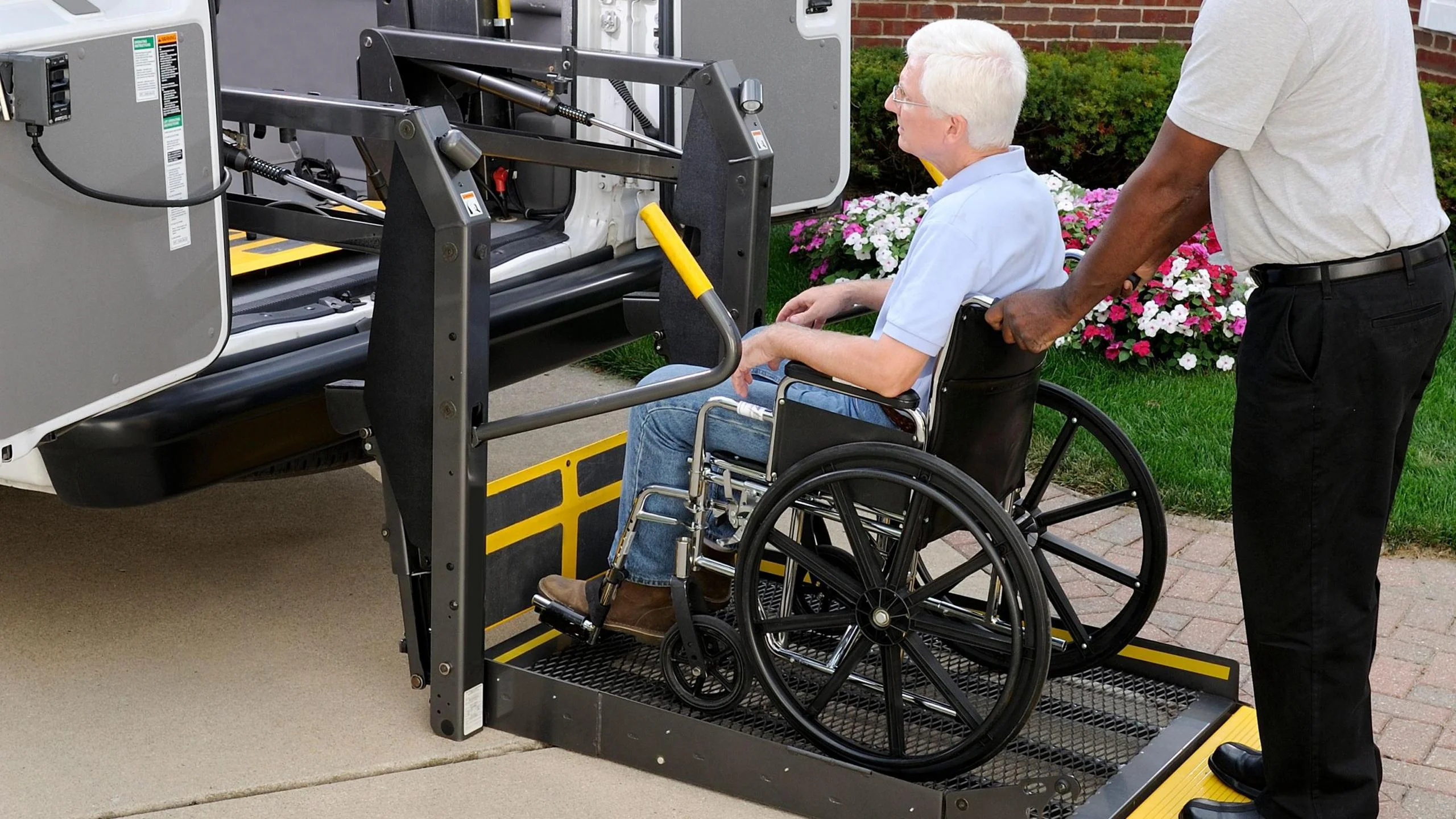
Why Nursing Home Transportation Requires Extra Planning
Getting a nursing home resident to a medical appointment involves more than arranging a vehicle and providing an address. Many residents have mobility limitations, use wheelchairs or walkers, or need additional time and assistance when getting into and out of a vehicle. Their appointments may also need to fit around meals, medications, therapy sessions, and other facility routines.
This makes non-emergency medical transportation (NEMT) an important option for nursing home residents who are medically stable but need transportation that accounts for their mobility and scheduling needs.
For families and facility staff in Houston, planning ahead can make medical transportation easier to coordinate. Before booking, it helps to understand the resident’s mobility needs, appointment schedule, pickup location, destination, and whether the ride will be a one-time trip or part of a recurring schedule.
Why Transportation for Nursing Home Residents Is Different
A standard vehicle may not be suitable for every nursing home resident. Someone who can walk independently may only need a conventional passenger vehicle, while a wheelchair user may require an accessible van with appropriate equipment.
The boarding process is another consideration. Some residents need extra time or assistance getting from the facility entrance to the vehicle. A transportation provider working with nursing home residents should be prepared for a slower, more deliberate boarding process rather than treating the trip like a standard rideshare pickup.
Timing matters as well. A resident may need to be ready at a specific time, while facility staff may be coordinating several other responsibilities. Providing accurate appointment and pickup information helps everyone work from the same schedule.
What Families Should Confirm Before Booking
Families arranging transportation for a nursing home resident should gather several details before contacting a provider.
These include:
- The nursing home or facility address
- The correct pickup entrance
- The medical appointment location
- Appointment date and time
- Whether the resident uses a wheelchair, walker, or other mobility equipment
- Whether assistance is needed during boarding
- Whether the trip is one-way or round trip
- Whether transportation will be needed on a recurring basis
It is also important to ask how the provider handles recurring medical appointments. Residents may have weekly therapy, regular specialist appointments, or recurring dialysis treatments. A standing transportation schedule can make these trips easier to manage.
For residents who use wheelchairs, families can also review CareMove’s wheelchair transportation services to learn more about accessible medical transportation.
Questions Nursing Homes Should Ask Transportation Providers
Facility staff may have different concerns from individual family members because they may coordinate transportation for multiple residents.
Before working with an NEMT provider, ask:
- Are your vehicles ADA-compliant?
- Can you accommodate wheelchair users?
- Are drivers trained to assist passengers with mobility needs?
- Can recurring transportation be scheduled?
- How much advance notice is required?
- What happens if an appointment is delayed or rescheduled?
- What areas do you serve?
- How does private-pay billing work?
Getting clear answers to these questions helps facilities establish a transportation process that staff can consistently follow.
Common Medical Trips for Nursing Home Residents
Nursing home residents may need transportation for many types of healthcare appointments. Common trips include primary care visits, specialist appointments, therapy, diagnostic testing, imaging, laboratory services, hospital-related appointments, and dialysis.
Recurring dialysis appointments require particular attention because transportation is often needed according to a regular treatment schedule. CareMove offers dialysis transportation services for patients who need transportation to recurring dialysis appointments.
Wheelchair users may also need transportation to several different types of medical appointments. Having an accessible vehicle available can be important when a resident cannot safely transfer into a standard car.
For older residents with mobility limitations, families and caregivers can also consider CareMove’s transportation for seniors service.
Planning the Return Trip
The return journey should be planned just as carefully as the pickup.
Before the resident leaves the nursing home, determine whether the transportation is one-way or round trip. If it is a return trip, consider whether the appointment is likely to finish at a predictable time. Medical appointments can sometimes run longer than expected, so families and facility staff should understand how schedule changes are handled.
For recurring appointments, keeping transportation information together with the resident’s appointment schedule can make future bookings easier. Staff can record the pickup location, destination, appointment time, mobility requirements, and transportation schedule for reference.
This is especially helpful when a resident has multiple appointments throughout the month.
What CareMove Provides
CareMove provides private-pay non-emergency medical transportation for nursing home residents in the Houston area. Its fleet includes ADA-compliant vans for wheelchair transportation, and its drivers are trained to assist passengers with mobility needs.
Families and facilities can coordinate one-time or recurring transportation based on the resident’s needs. Whether the trip involves a single specialist appointment or an ongoing schedule for dialysis or therapy, the transportation plan can be discussed directly with CareMove.
When scheduling, provide as much information as possible about the resident’s mobility, pickup location, destination, appointment time, and whether recurring transportation is required.
Frequently Asked Questions
Can nursing home staff schedule transportation directly?
Yes. Facility staff or a family member can coordinate transportation with CareMove.
Can transportation be scheduled for recurring appointments?
Yes. CareMove can arrange recurring transportation for ongoing medical appointments.
Are wheelchair-accessible vehicles available?
Yes. CareMove’s fleet includes ADA-compliant vans for wheelchair transportation.
Is CareMove an insurance-billed service?
No. CareMove operates as a private-pay transportation service. Families and facilities arrange payment directly.
What information should I have ready when booking?
Have the pickup address, destination, appointment time, mobility requirements, and recurring schedule details available. This helps CareMove understand the transportation needs for the trip.