The Difference Between NEMT and Rideshare
Rideshare services can be convenient for everyday transportation, but medical appointments can involve needs that go beyond getting from one address to another.
A patient may use a wheelchair, have limited mobility, need assistance getting into a vehicle, or require transportation several times a week for dialysis or therapy.
This is where non-emergency medical transportation (NEMT) differs from standard rideshare transportation.
Both services transport passengers, but they are designed around different needs. When choosing between them, consider the passenger’s mobility, vehicle requirements, assistance needs, scheduling, and type of medical appointment.
How Standard Rideshare Works
A typical rideshare trip is primarily point-to-point transportation. The passenger requests a vehicle, meets the driver at the pickup location, travels to the destination, and exits the vehicle.
For a person who can walk independently, does not need special equipment, and only needs transportation to a routine appointment, this type of service may be sufficient.
The situation can change when the passenger has mobility limitations.
A wheelchair user may require an accessible vehicle. A senior may need additional time getting into the vehicle. A patient recovering from a procedure may not be comfortable getting in and out of a standard car.
How NEMT Is Different
NEMT is designed around non-emergency medical transportation needs.
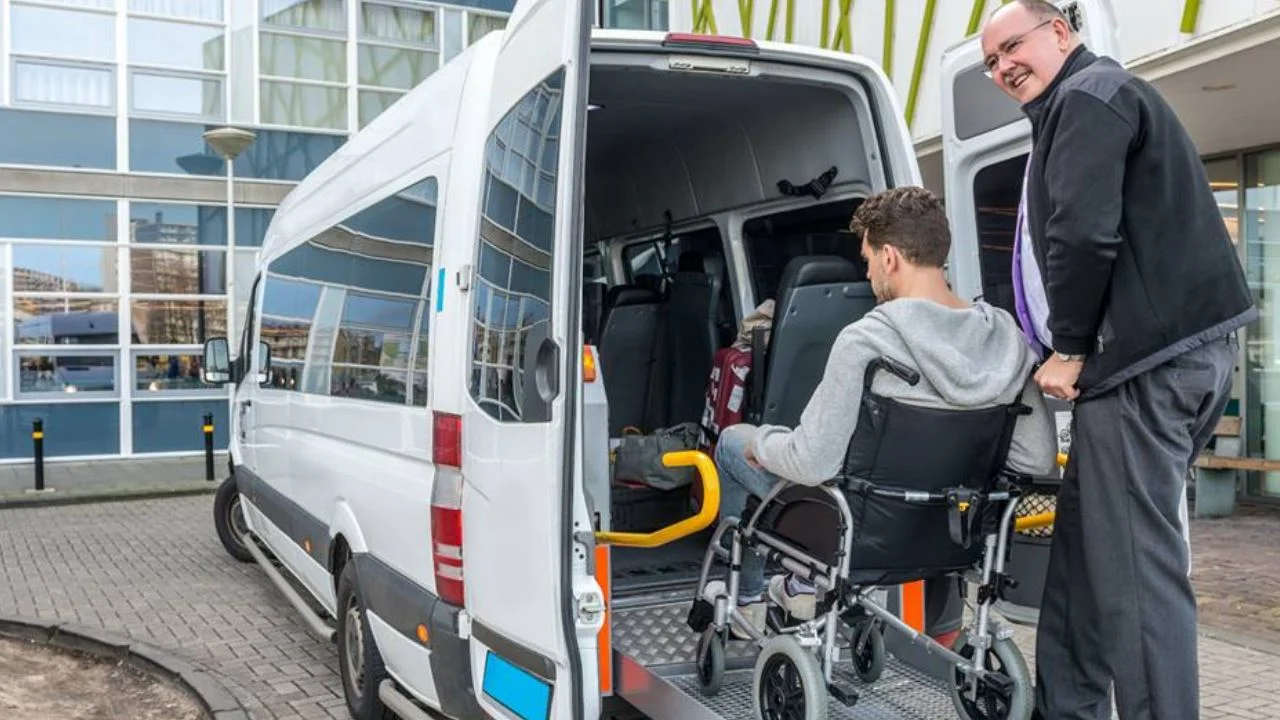
Depending on the provider and trip, this can include wheelchair-accessible vehicles, assistance with mobility needs, and recurring scheduling for medical appointments.
CareMove provides private-pay NEMT in the Houston area and has ADA-compliant vans for wheelchair transportation.
The difference is not simply the destination. A patient going to the same doctor’s office may need a completely different transportation setup depending on their mobility.
Wheelchair Accessibility
Wheelchair accessibility is one of the clearest differences to consider.
A standard rideshare vehicle is generally not designed around wheelchair boarding and securement. Passengers who need to remain in their wheelchair during transportation should confirm that the vehicle is specifically equipped for that purpose.
CareMove provides wheelchair-accessible transportation. Families can review its wheelchair transportation services when an accessible vehicle is required.
Assistance With Mobility
Some passengers can get into a vehicle without assistance. Others need more time or help during boarding.
Seniors with mobility limitations, wheelchair users, and patients recovering from medical procedures may have different transportation requirements from a passenger taking an ordinary trip across town.
When comparing providers, ask whether drivers are trained to assist passengers with mobility needs and what that assistance includes.
CareMove also provides transportation for seniors for older adults who need transportation for medical appointments and health-related visits.
Recurring Medical Appointments
Recurring care is another important consideration.
Dialysis, therapy, and regular specialist appointments may require transportation on a fixed schedule. Booking a new rideshare trip for every appointment can be different from arranging recurring NEMT transportation.
CareMove offers recurring private-pay transportation, including dialysis transportation services.
For someone attending dialysis multiple times per week, transportation planning can become an important part of keeping the treatment schedule organized.
When Rideshare May Be Suitable
Rideshare can be practical when the passenger:
- Can enter and exit a standard vehicle independently
- Does not need wheelchair equipment
- Does not need mobility assistance
- Is traveling to a routine appointment
- Does not require recurring specialized transportation
The important point is to assess the passenger rather than the appointment itself.
A routine medical appointment can still require NEMT if the passenger’s mobility needs make a standard vehicle unsuitable.
When NEMT May Be More Appropriate
NEMT may be a better fit when transportation requires specialized equipment, additional mobility assistance, or recurring scheduling.
Examples include:
- Wheelchair users
- Seniors with mobility limitations
- Patients recovering from procedures
- Patients attending recurring dialysis appointments
- Nursing home residents traveling to medical appointments
CareMove also provides nursing home transportation for residents who need transportation to healthcare appointments and related services.
Comparing the Cost
Cost is another factor, but the services should be compared based on what each one provides.
A rideshare fare may be lower for a simple point-to-point trip. NEMT may involve accessible vehicles, trained drivers, mobility assistance, and recurring scheduling.
For a passenger who needs those features, comparing only the advertised fare does not provide the full picture.
Before booking, ask what is included in the price and whether additional transportation requirements affect the cost.
Questions to Ask Before Choosing
Before arranging transportation, consider:
- Can the passenger enter and exit a standard car?
- Does the passenger use a wheelchair?
- Is wheelchair securement required?
- Does the passenger need assistance boarding?
- Is transportation needed once or on a recurring schedule?
- Does the provider serve the pickup and destination addresses?
- How is pricing determined?
- How are appointment delays handled?
These questions help match the transportation service to the actual needs of the passenger.
Frequently Asked Questions
Can rideshare accommodate a wheelchair?
Standard rideshare vehicles are not reliably equipped for wheelchair boarding and securement. Confirm accessibility before booking.
Is NEMT more expensive than rideshare?
Pricing varies. NEMT may include accessible vehicles, trained drivers, mobility assistance, and recurring scheduling.
Can NEMT be used for one-time appointments?
Yes. CareMove provides both one-time and recurring private-pay transportation.
Is NEMT only for wheelchair users?
No. NEMT may also be useful for seniors with mobility limitations, patients recovering from procedures, and people who need transportation assistance for medical appointments.